Binance Fees Explained (Spot, Futures & Hidden Costs)
Understanding Binance fees in 2026 is essential for anyone trading cryptocurrency. While Binance is widely known as one of the cheapest crypto exchanges, many users still overpay due to hidden costs, spreads, and lack of fee optimization.
In this comprehensive guide, we explain Binance fees in detail — including spot trading, futures, deposits, withdrawals, and less obvious costs that many traders ignore. You’ll also learn how to reduce fees and compare Binance with other exchanges like OKX and KuCoin.
Binance Fees Overview
Binance uses a maker-taker fee model with very competitive rates across all trading types.
| Fee Type | Cost |
|---|---|
| Spot Trading | 0.10% |
| Futures Trading | 0.02% / 0.04% |
| Crypto Deposit | Free |
| Withdrawal | Variable |
👉 For a full overview, read our Binance review.
What Are Maker and Taker Fees?
Before diving deeper, it’s important to understand how Binance calculates trading fees.
- Maker fee: You add liquidity (limit order)
- Taker fee: You remove liquidity (market order)
On Binance, both are usually the same for spot trading, making it simple for beginners.
Binance Spot Trading Fees
Binance charges a standard 0.10% fee for spot trades. This means that trading $1,000 costs just $1 in fees — significantly lower than traditional financial platforms.
Spot trading is ideal for beginners because it involves buying and selling real assets without leverage.
Real Example
If you buy $2,000 worth of Bitcoin:
- Fee = $2
This makes Binance one of the most cost-effective exchanges available.
How to Reduce Spot Fees
- Pay fees with BNB (up to 25% discount)
- Increase trading volume (VIP tiers)
- Use limit orders instead of market orders
- Join affiliate programs
Binance Futures Fees
Futures trading is where Binance becomes even more competitive.
- Maker: 0.02%
- Taker: 0.04%
These fees are among the lowest in the crypto industry.
👉 Compare with competitors in our Binance vs OKX comparison.
What Are Funding Fees?
Futures trading includes funding rates — periodic payments between traders.
These are not Binance fees but can impact profitability significantly.
Deposit Fees
Crypto deposits are completely free on Binance.
Fiat deposits may include:
- Credit card fees (1–3%)
- Bank transfer costs
Withdrawal Fees
Withdrawal fees depend on the blockchain network.
Examples:
- BTC: fluctuates with network demand
- ETH: depends on gas fees
- USDT: TRC20 is cheapest
Pro Tip
Always choose the cheapest network available to save money.
Hidden Binance Fees
Even though Binance is transparent, there are indirect costs:
- Spread: difference between buy and sell price
- Instant buy fees: higher than spot trading
- Slippage: price movement during execution
- Funding rates: for futures traders
Understanding these factors can significantly improve your profitability.
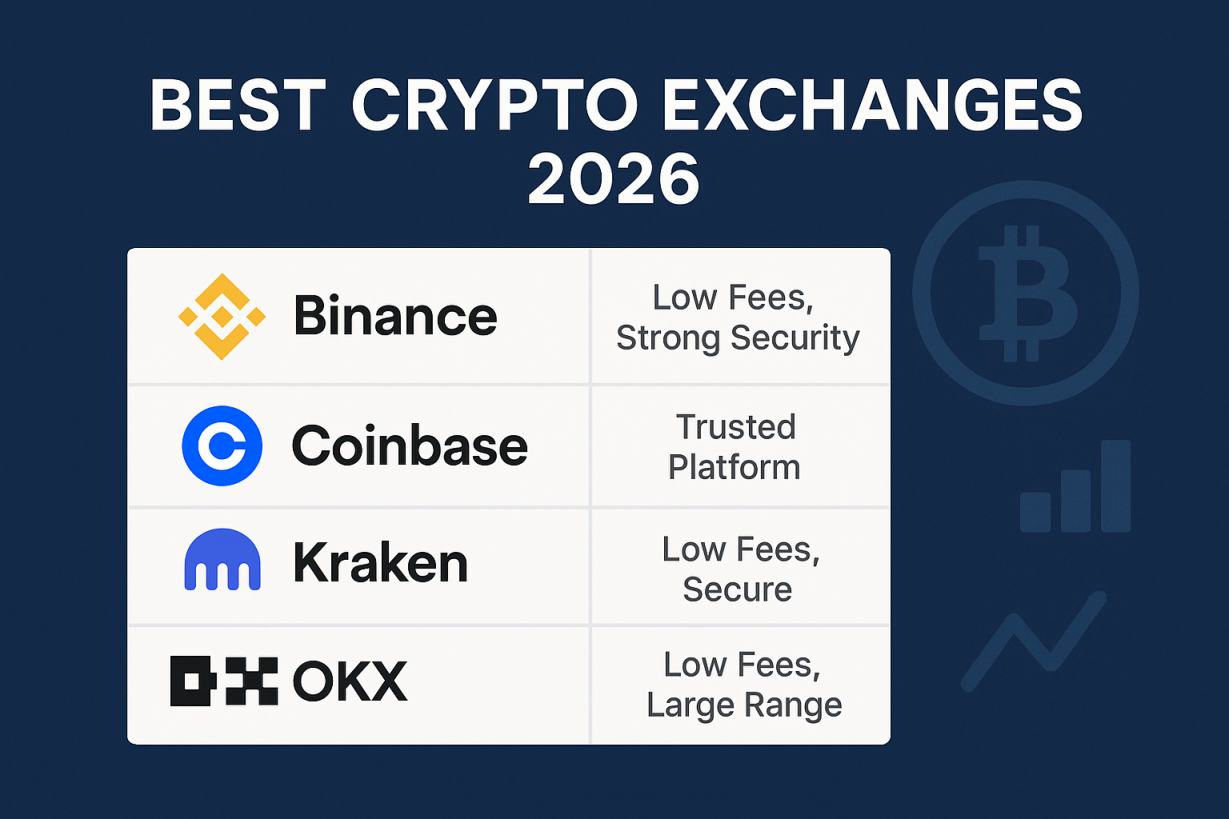
Binance vs Other Exchanges Fees
| Exchange | Spot Fees | Futures Fees |
|---|---|---|
| Binance | 0.10% | 0.02% / 0.04% |
| OKX | 0.08% | 0.02% / 0.05% |
| KuCoin | 0.10% | 0.02% / 0.06% |
Is Binance Cheap?
Yes — Binance remains one of the cheapest exchanges globally.
With proper optimization (BNB + networks), you can reduce fees significantly.
Final Verdict
Binance offers one of the best fee structures in crypto. Whether you trade spot or futures, its low costs and high liquidity make it a top choice.
Why Understanding Binance Fees Matters
Many beginners underestimate how important trading fees are when using a cryptocurrency exchange. Even small differences in fees can have a significant impact on long-term profitability, especially for active traders. For example, if you trade frequently, paying 0.10% instead of 0.20% can save hundreds or even thousands of dollars over time.
Binance has built its reputation on offering some of the lowest fees in the industry. However, simply using the platform is not enough — understanding how fees work is the key to maximizing profits. Traders who actively optimize their fee structure can gain a competitive advantage in both short-term and long-term strategies.
Another important factor is choosing the right type of trading. Spot trading is generally cheaper and simpler, while futures trading offers more flexibility but also introduces additional costs such as funding rates. Knowing when to use each type of trading can significantly improve your overall results.
It’s also worth noting that fees are not the only cost. Market conditions, liquidity, and execution speed all play a role in determining your final trading outcome. This is why Binance remains popular — it combines low fees with high liquidity and fast execution.
Ultimately, Binance is one of the most cost-effective platforms available in 2026. By understanding its fee structure and using available discounts, traders can reduce costs and improve their performance.
FAQ – Binance Fees (Detailed)
What are Binance trading fees?
Binance charges 0.10% for spot trading and as low as 0.02% for futures.
How can I reduce Binance fees?
Use BNB, increase trading volume, and avoid instant buy features.
Are Binance deposits free?
Crypto deposits are free, but fiat deposits may include fees.
What is the cheapest way to withdraw?
Use low-cost networks like TRC20 or BEP20.
Is Binance cheaper than OKX?
Both are competitive, but Binance often wins with discounts.
Does Binance have hidden fees?
No direct hidden fees, but spreads and slippage exist.
Are Binance futures fees low?
Yes, among the lowest in the industry.
Is Binance good for beginners?
Yes, thanks to low fees and simple options.